MARIETTA, GA – January 27, 2026 – PRESSADVANTAGE –
K L Contractor Plumbing Inc has released a new plumbing blog post titled “Understanding Bathroom Sink Backing Up Into Bathtub: Causes & Remedies.” The article explains why sink water can rise into a bathtub drain and what homeowners should do to respond safely. The blog is now available on the company website.
A bathroom sink that backs up into a bathtub can cause stress for homeowners. The problem often looks worse than a normal clogged sink. The blog explains that this issue usually means there is a blockage farther down the drain system. The sink and bathtub often share a drain line. When the shared line is restricted, sink water cannot move forward through the pipe. The water then moves into the bathtub drain because it is the lower path.
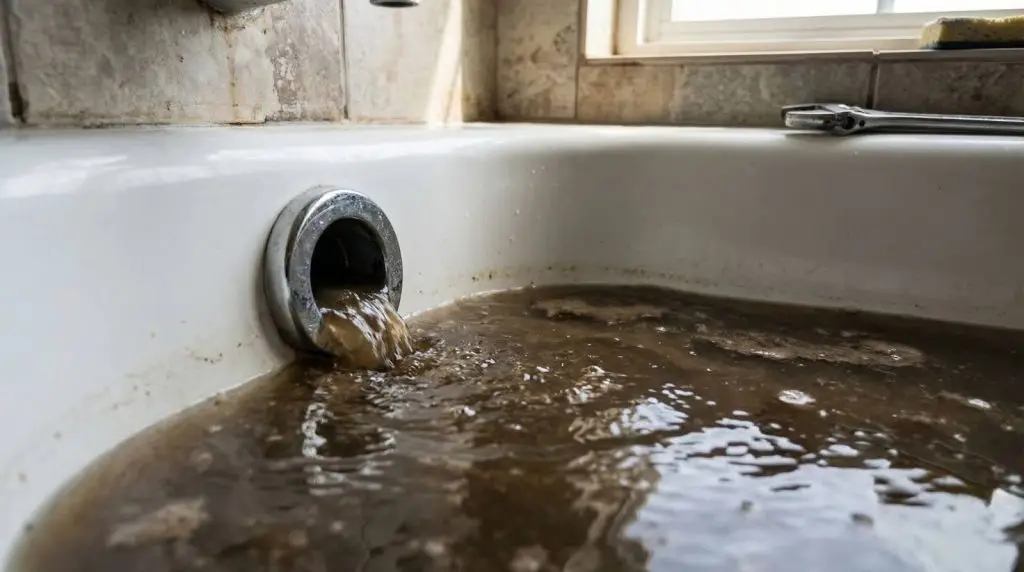
The blog explains the basic reason this happens in clear terms. A blockage in a branch drain line or a sewer line can stop normal drainage. When the sink runs, water must go somewhere. If the main path is blocked, the bathtub becomes the exit point. This causes dirty water or cloudy water to show up in the tub.
K L Contractor Plumbing Inc wrote the blog to help homeowners understand the warning signs early. The post explains that gurgling sounds, slow drainage in multiple fixtures, and water rising in the bathtub are signals that the issue may be deeper than a simple hair clog near the sink stopper. The blog also explains that a clogged sewer line or partial blockage can affect more than one drain in the home. This matters because many homeowners try to fix the issue as if it is only a sink problem. The blog explains that this approach often fails because the blockage is farther downstream.
Alex Laldin, marketing director at K L Contractor Plumbing Inc, said the company sees this issue often in residential calls. “Homeowners think the sink is the only problem, but the sink and the tub often share the same drain line,” said Laldin. “If water from the sink is coming up in the tub, the system is telling you that something is blocked past the fixtures.”
The blog post explains how bathroom drain systems connect in many homes. The sink drain and bathtub drain usually join into the same horizontal branch line before connecting to a larger sewer line. When the shared section clogs, the water cannot flow out of the house as it should. The blog also explains that venting can play a role in drainage problems. A blocked vent pipe can make drainage slower and louder. It can also increase gurgling sounds and cause water to rise into a tub.
The new article also covers simple do-it-yourself methods that may help with light clogs. The blog explains that homeowners can try a plunger on the tub drain and then the sink drain. It also explains that a homeowner should block the tub overflow opening with a wet cloth while plunging so pressure can build. This can help move a small clog near the fixture. The blog warns that if plunging makes the backup worse or pulls more sewage into the tub, the homeowner should stop and consider professional service.
The blog also describes how to use a drain snake or hand auger for surface-level clogs. It explains that a homeowner can remove the sink stopper and feed a small snake into the sink drain. The goal is to catch hair, grease, or debris near the top of the line. The blog also notes that a tub can sometimes be snaked through the overflow opening. This can help reach clogs below the tub area. The blog explains that these tools can work for localized blockages, but the homeowner should stop if resistance remains or if the problem returns soon after clearing.
The post also discusses basic home methods such as hot water, baking soda, and vinegar. It explains that these methods can help with minor buildup, but they do not solve deeper sewer line problems. The blog warns homeowners to avoid using boiling water if they are unsure about pipe condition, especially in older homes with aging plumbing systems.
Alex Laldin said homeowners should pay attention to any signs that point to a larger issue. “If more than one fixture is slow or backing up, that is not a small clog,” said Laldin. “That pattern often points to a branch line or sewer line restriction, and the safest step is to get a licensed plumber involved before damage spreads.”
The blog explains several red flags that homeowners should not ignore. If multiple fixtures in the same area are clogged, the problem may be in a shared line. If flushing a toilet causes water to appear in the tub, the issue may be deeper in the drain system. If a washing machine causes backup in the bathroom, the problem may involve the main sewer line. Strong sewage odors can also signal a serious blockage or venting issue. These signs can point to a deeper restriction that may require professional equipment.
The post also explains several causes that may require professional service. Tree roots can invade older sewer lines and restrict flow. A pipe can collapse or break underground, which can cause wastewater to back up. A blocked vent pipe can trap air in the system and slow drainage. These problems can cause repeat backups even after a homeowner clears a small surface clog. The blog stresses that a homeowner should avoid repeated plunging when deeper issues are present because the situation can worsen.
The blog also explains steps that can reduce the chance of backups in the future. It encourages homeowners to use drain screens to catch hair and debris. It also reminds homeowners to avoid flushing items that can cause clogs, such as wipes, paper towels, and hygiene products. The post explains that older homes may benefit from regular sewer line inspections, especially when large trees are nearby.
K L Contractor Plumbing Inc serves homeowners in Marietta, East Cobb, and other areas across Cobb County. The blog closes by explaining that homeowners do not need to guess what is happening inside their drain lines. The company offers service calls that include checking how the sink and tub drains connect, clearing blockages with professional-grade equipment, and checking for signs of sewer line damage or vent problems. The company also provides clear guidance that helps homeowners prevent repeat issues.
Alex Laldin said the company wants the blog to support homeowners before an emergency starts. “A backup can start with small signs like slow drainage or gurgling,” said Laldin. “If people understand what those signs mean, they can act sooner and avoid a bigger mess in the bathroom.”
The blog post, “Understanding Bathroom Sink Backing Up Into Bathtub: Causes & Remedies,” is part of K L Contractor Plumbing Inc’s effort to provide direct plumbing education to homeowners who want clear answers. The company encourages homeowners to read the full blog and to contact a licensed plumber when sink water backs up into a bathtub or when multiple drains show slow performance.
K L Contractor Plumbing Inc is a plumbing company serving homeowners and residential properties in Marietta, East Cobb, and surrounding areas in Cobb County, Georgia. The company provides professional plumbing services that support safe and reliable home drain systems. K L Contractor Plumbing Inc helps customers with clogged drains, bathroom drain backups, sewer line concerns, and plumbing troubleshooting for common household problems. The team responds to plumbing issues with direct communication and a focus on results that protect the home. K L Contractor Plumbing Inc also provides plumbing guidance through its website blog to help homeowners understand drain problems and know when to call for service.
###
For more information about K L Contractor Plumbing Inc, contact the company here:
K L Contractor Plumbing Inc
Konstantin Lozovyi
404-637-2796
Contact@SteelToeDigital.com
4901 Olde Towne Pkwy Suite 100, Marietta, GA 30068